 National Parks Journal

Photo: Lindsey C. Straub · CC BY-SA 4.0
Dry Tortugas National Park
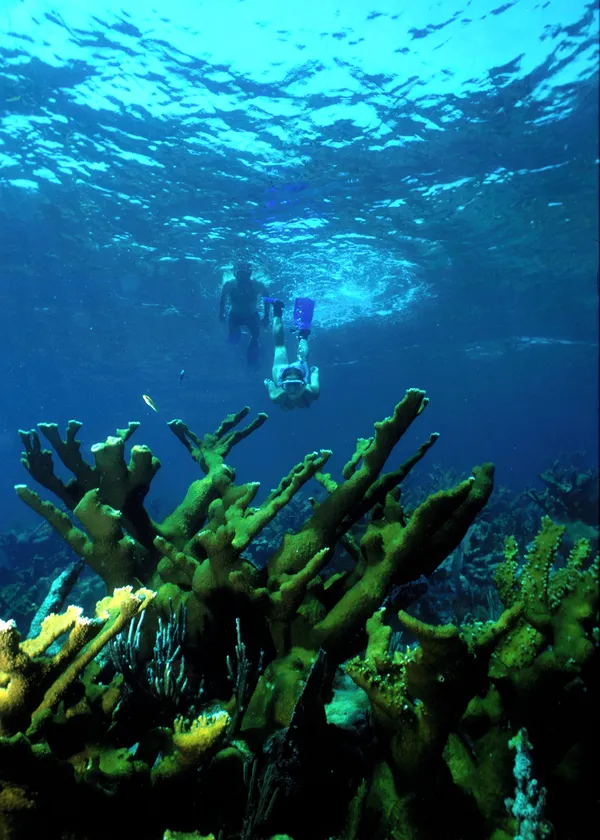
Almost 70 miles (113 km) west of Key West lies the remote Dry Tortugas National Park. This 100-square mile park is mostly open water with seven small islands. Accessible only by boat or seaplane, the park is known the world over as the home of magnificent Fort Jefferson, picturesque blue waters, superlative coral reefs and marine life, and the vast assortment of bird life that frequents the area.
Entrance Fees
Getting There
Roads and entrances can close temporarily. Check current conditions on nps.gov (opens in a new tab) before you go.
Entrances & departure points
- Directions to Key West Bight Ferry Terminal (Yankee Freedom) (opens in a new tab)
Key West Bight Ferry Terminal (Yankee Freedom)Main
Key West, FL · Yankee Freedom (park concessioner) · Daily departures year-round (weather permitting)
- Directions to Key West International Airport (seaplane) (opens in a new tab)
Key West International Airport (seaplane)
Key West, FL · Key West Seaplane Adventures · Year-round, weather permitting
Airports
- EYW
Key West International Airport · Key West, FL
ClosestMid-size airport - MIA
Miami International Airport · Miami, FL
Major airport
No roads reach the park: the Yankee Freedom ferry and a seaplane service make the roughly 70-mile trip from Key West.
Distances are approximate road distances; tap a distance for live driving directions.
Towns to stay in
Key West, FLFerry and seaplane town
No lodging inside the park · NPS lodging info (opens in a new tab)
Activities
Top Hikes
0.6 mi · 40 ft gain · loop
Walk through the massive six-sided 19th-century fort, the largest masonry structure in the Americas. Explore casemates, the parade ground, and climb to the ramparts for panoramic ocean views.
Starts at: Fort Jefferson Entrance, Garden Key
0.5 mi · 45 ft gain · loop
Walk atop four sides of Fort Jefferson's upper walls on a gravel path, offering 360-degree views of the open ocean, moat, and surrounding keys.
Starts at: Fort Jefferson Upper Level Stairs, Garden Key
0.5 mi · 0 ft gain · loop
Circle the island of Garden Key along the sandy beach surrounding Fort Jefferson. Excellent for birdwatching, especially during spring migration when sooty terns nest here.
Starts at: Garden Key Dock
Upcoming Events
No upcoming events scheduled for Dry Tortugas National Park. Events are updated daily — check back soon or visit nps.gov for the latest.
Best Time to Visit Dry Tortugas
Best time to visit: March–May
The best time to visit Dry Tortugas National Park is March–May. This is the most comfortable weather of the year; winter cold fronts fade through spring and seas calm before June's hurricane season.
In those months, average highs are 76–84°F at Fort Jefferson, Garden Key. Fewer than 10,000 people visit even in the busiest month.
Monthly averages at Fort Jefferson, Garden Key (sea level). Climate normals (1991–2020): PRISM Group, Oregon State University.
Weather & Climate
The climate in the Dry Tortugas is subtropical, which basically means that it has warm and tropical weather in the range of 60°F to 90°F. The two main seasons are the winter stormy season from December through March which is windier and sees rougher seas, and the summertime tropical storm season from June through November where there is a higher chance of isolated storms. During the summers it is hot and humid. During the winter the temperature is milder and drier.