 National Parks Journal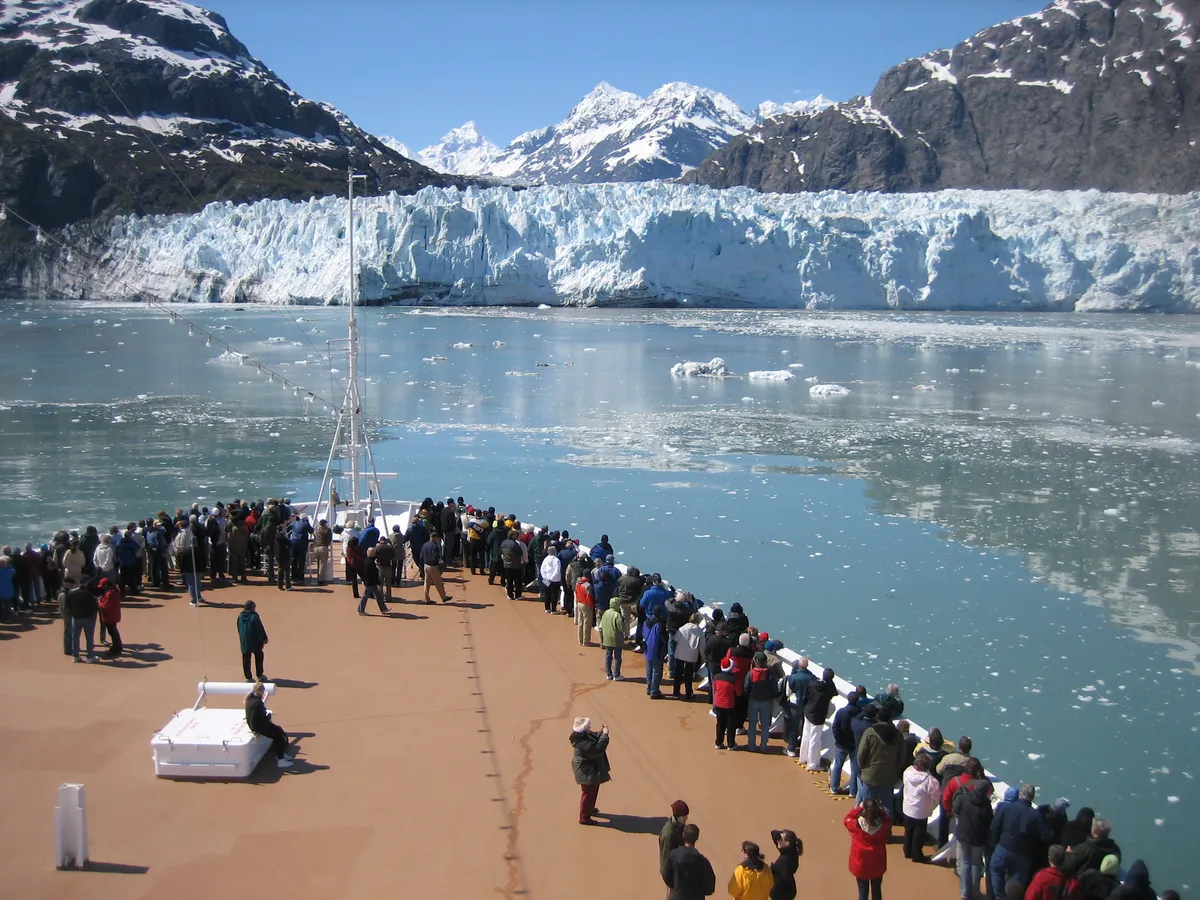
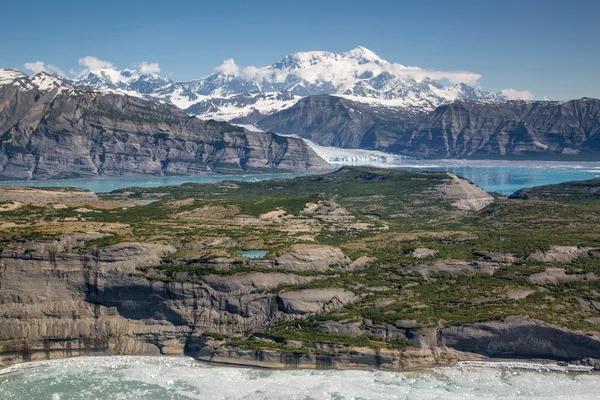
Photo: Eric E Castro · CC BY 2.0
Glacier Bay National Park & Preserve
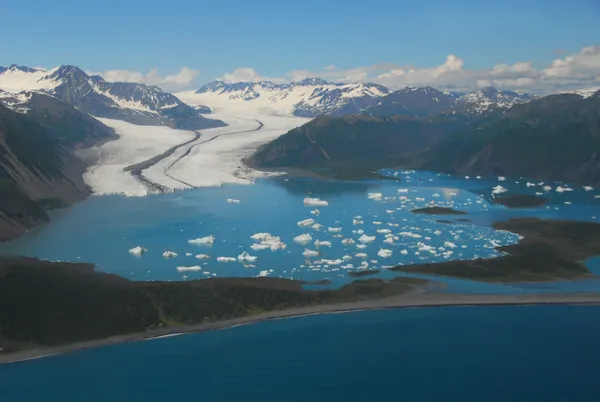
Covering 3.3 million acres of rugged mountains, dynamic glaciers, temperate rainforest, wild coastlines and deep sheltered fjords, Glacier Bay National Park and Preserve is known as Homeland to the Huna and Yakutat Lingít, and is a highlight of Alaska's Inside Passage. From sea to summit, Glacier Bay offers limitless opportunities for adventure and inspiration.
Entrance Fees
No entrance fee. Other fees may apply for tours, camping, or transportation.
Getting There
Roads and entrances can close temporarily. Check current conditions on nps.gov (opens in a new tab) before you go.
Entrances & departure points
- Directions to Bartlett Cove (Glacier Bay Lodge and Visitor Center) (opens in a new tab)
Bartlett Cove (Glacier Bay Lodge and Visitor Center)Main
Gustavus, AK · No entrance gate; visitor center and day boat staffed late May to early September
- Directions to Gustavus Airport (opens in a new tab)
Gustavus Airport
Gustavus, AK · Alaska Airlines (summer); air taxis and charters from Juneau · Alaska Airlines jet service in summer; small air taxis year-round
- Directions to Gustavus Ferry Terminal (opens in a new tab)
Gustavus Ferry Terminal
Gustavus, AK · Alaska Marine Highway System · Alaska Marine Highway sailings from Juneau, mainly in summer
Airports
- GST
Gustavus Airport · Gustavus, AK
ClosestSmall airportYear-round flights from Juneau on small commuter planes (Alaska Seaplanes); Alaska Airlines jet service runs in summer only (June-August).
No roads reach Glacier Bay: fly from Juneau to Gustavus or take the summer Alaska Marine Highway ferry, then travel about 10 miles by road to Bartlett Cove.
Distances are approximate road distances; tap a distance for live driving directions.
Towns to stay in
Gustavus, AKFly-in and ferry town
Inside the park: Glacier Bay Lodge · NPS lodging info (opens in a new tab)
Activities
Top Hikes
1 mi · 50 ft gain · loop
A loop through temperate rainforest and beach environments at Bartlett Cove on surfaces of dirt, gravel, and boardwalk. Features benches and viewing platforms for wildlife observation.
Starts at: In front of Glacier Bay Lodge (or south of the boat ramp)
4 mi · 100 ft gain · out & back
Meanders along an intertidal lagoon through spruce and hemlock forest to the Bartlett River estuary. Wildlife viewing includes coyotes, moose, bears, otters, and migratory waterfowl.
Starts at: Bartlett Cove
8 mi · 800 ft gain · out & back
A full-day commitment through less-maintained terrain with climbing over moss-covered boulders to reach a remote moraine lake. Potential loon sightings at the lake. The most challenging maintained trail in the park.
Starts at: Branches off Bartlett River Trail after 0.25 miles
1 mi · 20 ft gain · out & back
An easy stroll along the forested shoreline featuring a traditional Tlingit dugout canoe, whale skeleton display, and the Huna Tribal House — connecting visitors to the rich cultural history of the Huna Tlingit people.
Starts at: In front of Glacier Bay Lodge
Upcoming Events
No upcoming events scheduled for Glacier Bay National Park & Preserve. Events are updated daily — check back soon or visit nps.gov for the latest.
Best Time to Visit Glacier Bay
Best time to visit: June–August
The best time to visit Glacier Bay National Park & Preserve is June–August. The daily tour boat and visitor services run late May to early September; summer has the mildest weather in this rainy region.
In those months, average highs are 61–63°F at Bartlett Cove. July is the busiest month on average.
Monthly averages at Bartlett Cove (50 ft). Climate normals (1981–2010): PRISM Group, Oregon State University.
Weather & Climate
Summer temperatures average 50° to 60° F (10° to 15° C). Rain is the norm in lush southeast Alaska. It is best to be prepared to enjoy the park in any kind of weather, especially rain. Suggested clothing includes waterproof boots, rain gear, a hat, gloves, wool or pile layers or a warm coat. Good rain gear is essential here. April, May and June are usually the driest months of the year. September and October tend to be the wettest.