 National Parks Journal

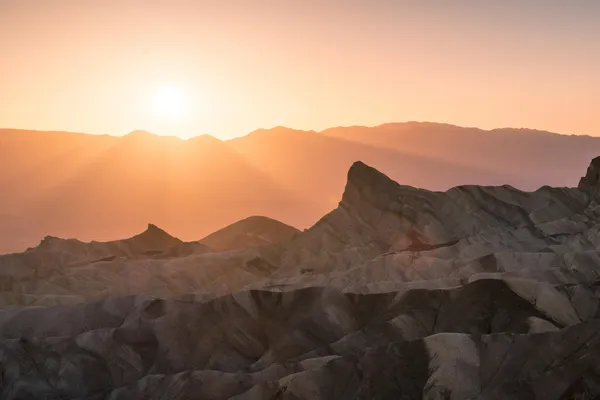
Photo: NPS / Emily Hassell · Public domain
Joshua Tree National Park
Two distinct desert ecosystems, the Mojave and the Colorado, come together in Joshua Tree National Park. A fascinating variety of plants and animals make their homes in a land sculpted by strong winds and occasional torrents of rain. Dark night skies, a rich cultural history, and surreal geologic features add to the wonder of this vast wilderness in southern California. Come explore for yourself!
Entrance Fees
Getting There
Roads and entrances can close temporarily. Check current conditions on nps.gov (opens in a new tab) before you go.
Entrances
- Directions to West Entrance (opens in a new tab)
West EntranceMain
Joshua Tree, CA · Open year-round, 24 hours
- Directions to North Entrance (opens in a new tab)
North EntranceMain
Twentynine Palms, CA · Open year-round, 24 hours
- Directions to South Entrance (Cottonwood) (opens in a new tab)
South Entrance (Cottonwood)
Indio, CA · Open year-round, 24 hours
- Directions to Indian Cove (opens in a new tab)
Indian Cove
Twentynine Palms, CA · Open year-round
Separate campground area; no road into the rest of the park
- Directions to Black Rock (opens in a new tab)
Black Rock
Yucca Valley, CA · Open year-round; nature center hours seasonal
Separate campground area; no road into the rest of the park
Airports
- PSP
Palm Springs International Airport · Palm Springs, CA
ClosestMajor airport
Distances are approximate road distances; tap a distance for live driving directions.
Towns to stay in
Yucca Valley, CAFor Black Rock Canyon
About 5 mi by road to Black Rock — driving directions from Yucca Valley (opens in a new tab)
No lodging inside the park · NPS lodging info (opens in a new tab)
Activities
Top Hikes
3 mi · 1,050 ft gain · out & back
One of the most popular hikes with panoramic 360-degree views of the surrounding desert and mountain ranges.
Starts at: Ryan Mountain parking area
1.1 mi · 50 ft gain · loop
Explore a water tank built by early ranchers in a boulder-framed valley with opportunities to spot bighorn sheep.
Starts at: Barker Dam parking area
1 mi · 100 ft gain · loop
Rock-enclosed valley once rumored to have been used by cattle rustlers to hide stolen livestock.
Starts at: Hidden Valley picnic area
4 mi · 550 ft gain · out & back
Well-preserved mining equipment and structures from the 1890s at one of the park's most successful gold mines.
Starts at: Lost Horse Mine trailhead
Upcoming Events
No upcoming events scheduled for Joshua Tree National Park. Events are updated daily — check back soon or visit nps.gov for the latest.
Best Time to Visit Joshua Tree
Best time to visit: March–April, October–November
The best time to visit Joshua Tree National Park is March–April and October–November. Desert temperatures are comfortable for hiking and climbing, and spring brings wildflowers; summer highs reach the mid-90s to over 100°F.
In those months, average highs are 64–76°F at Hidden Valley. March is the busiest month on average, while October is noticeably quieter.
Monthly averages at Hidden Valley (4,130 ft). Climate normals (1991–2020): PRISM Group, Oregon State University.
Weather & Climate
Days are typically clear with less than 25% humidity. Temperatures are most comfortable in the spring and fall, with an average highs around 85°F (29°C) and average lows around 50°F (10°C) respectively. Winter brings cooler days, around 60°F (15°C), and freezing nights. It occasionally snows at higher elevations. Summers are hot, over 100°F (38°C) during the day and not cooling much below 75°F (24°C) at night.