 National Parks Journal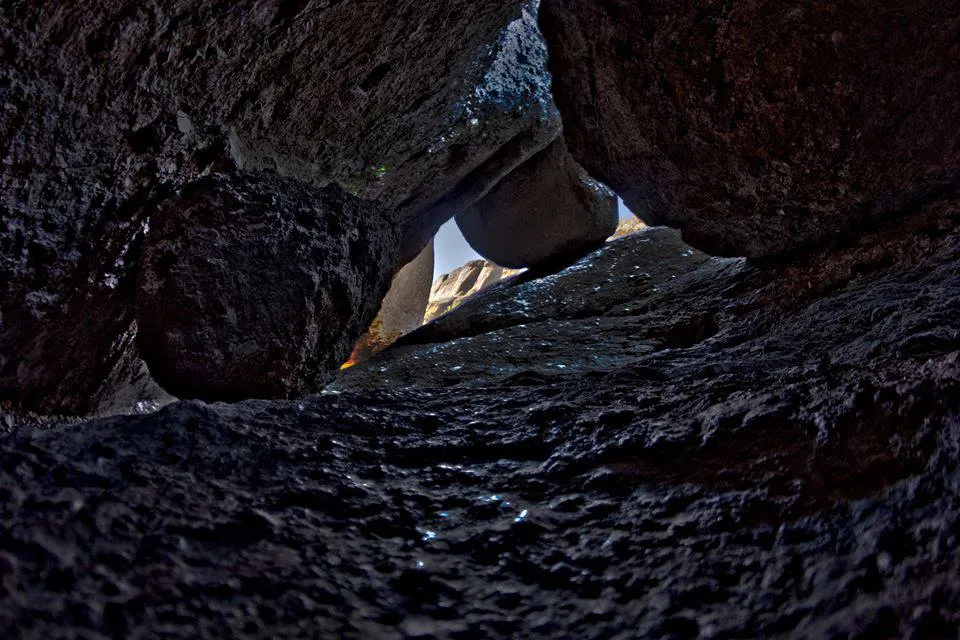
Pinnacles National Park
Around 23 million years ago, a series of volcanic eruptions shaped the landscape that is now Pinnacles National Park. The remnants of these ancient eruptions have formed a striking terrain of rocky spires and deep canyons. Visitors can explore diverse environments, from chaparral and oak woodlands to the cool, shaded depths of canyon floors.
Entrance Fees
Getting There
Roads and entrances can close temporarily. Check current conditions on nps.gov (opens in a new tab) before you go.
Entrances
- Directions to East Entrance (opens in a new tab)
East EntranceMain
Paicines, CA · Open 24 hours, year-round
- Directions to West Entrance (opens in a new tab)
West EntranceMain
Soledad, CA · Gate open about 7:30 am–8 pm (hours vary)
No road through the park to the east side
Airports
- MRY
Monterey Regional Airport · Monterey, CA
ClosestMid-size airport - SJC
San José Mineta International Airport · San Jose, CA
Major airport
Distances are approximate road distances; tap a distance for live driving directions.
Activities
Top Hikes
5.3 mi · 1,300 ft gain · loop
Panoramic High Peaks views with a thrilling Steep and Narrow section. One of the park's most iconic hikes through dramatic volcanic rock formations.
Starts at: Bear Gulch Day Use Area
2.2 mi · 500 ft gain · loop
The quintessential Pinnacles experience featuring rock formations, talus caves, and the Bear Gulch Reservoir.
Starts at: Bear Gulch Day Use Area
2.4 mi · 100 ft gain · loop
Explore talus cave passages and enjoy dramatic cliff views. A flashlight is required for cave sections.
Starts at: Chaparral Trailhead
6.7 mi · 1,425 ft gain · loop
Traverse wildflower meadows, shady woodlands, and spectacular High Peaks vistas on this comprehensive park loop.
Starts at: Bear Gulch Day Use Area
Upcoming Events
Ranger's Choice
Learn about Pinnacles' amazing resources with a ranger as they discuss topics varying from wildlife to geology, to history.
Prewett Point Guided Hike
Join a ranger on a hike and learn some of Pinnacles' fascinating resources that are protected in the park.
Best Time to Visit Pinnacles
Best time to visit: March–May
The best time to visit Pinnacles National Park is March–May. Spring brings wildflowers and comfortable hiking temperatures; summer days often reach 100°F.
In those months, average highs are 66–79°F at Bear Gulch. April is the busiest month on average.
Monthly averages at Bear Gulch (1,270 ft). Climate normals (1991–2020): PRISM Group, Oregon State University.
Weather & Climate
Pinnacles National Park has a Mediterranean climate with hot, dry summers, and mild winters with moderate precipitation. The park is several miles inland from the Pacific Ocean. A wider variation in seasonal temperatures can be expected in the local area. Summers are hot with temperatures above 100 degrees. Winters are cooler with highs in the 60s. Big swings in temperature occur between day and night, year round.