 National Parks Journal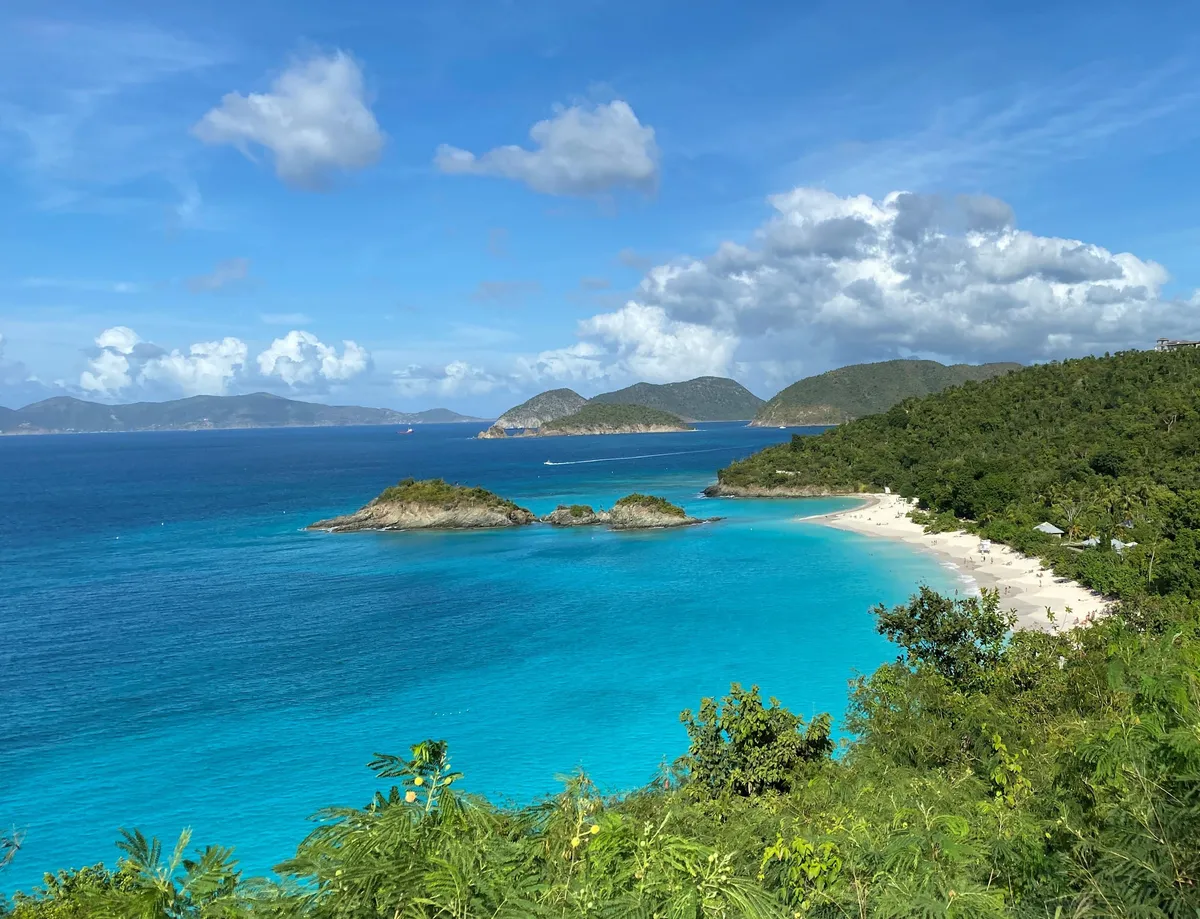
Photo: NPS Photo · Public domain
Virgin Islands National Park
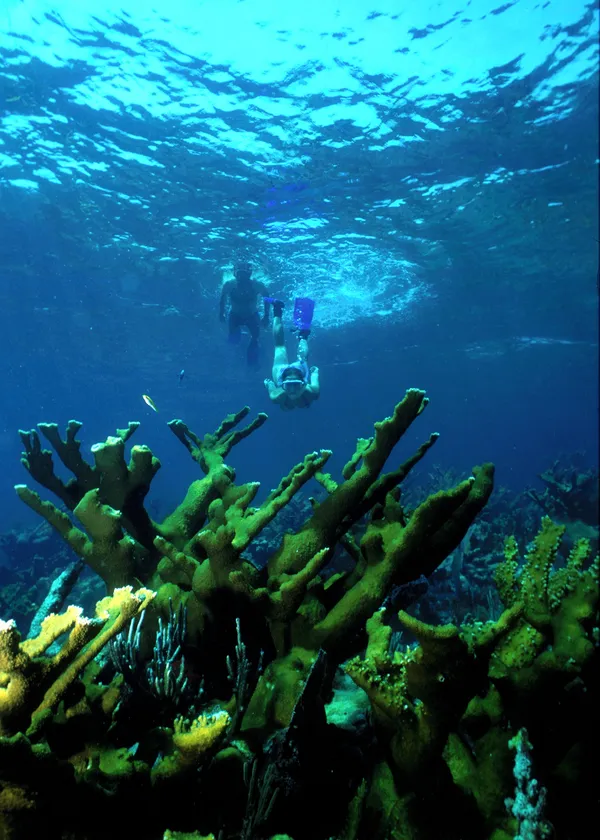
Go beyond Virgin Islands National Park's stunning white-sand beaches. Hike to historic plantation sites to learn about a challenging past when sugar and enslaved labor dominated life on the island. Visit the Indigenous Taino's ancient petroglyphs. Snorkel coral reefs to discover hidden marine life. Two-thirds of the island of St. John is national park, making it a unique destination for visitors.
Entrance Fees
No entrance fee. Other fees may apply for tours, camping, or transportation.
Getting There
Roads and entrances can close temporarily. Check current conditions on nps.gov (opens in a new tab) before you go.
Entrances & departure points
- Directions to Cruz Bay Visitor Center (St. John) (opens in a new tab)
Cruz Bay Visitor Center (St. John)Main
Cruz Bay, St. John, VI · Park always open; visitor center weekdays (hours vary)
- Directions to Red Hook Ferry Terminal (passenger ferry) (opens in a new tab)
Red Hook Ferry Terminal (passenger ferry)Main
Red Hook, St. Thomas, VI · Public passenger ferries (Red Hook–Cruz Bay) · Frequent daily sailings year-round
- Directions to Red Hook Car Barge (opens in a new tab)
Red Hook Car Barge
Red Hook, St. Thomas, VI · Private car-barge companies · Daily sailings year-round
- Directions to Charlotte Amalie Waterfront (ferry to Cruz Bay) (opens in a new tab)
Charlotte Amalie Waterfront (ferry to Cruz Bay)
Charlotte Amalie, St. Thomas, VI · Public passenger ferry (Charlotte Amalie–Cruz Bay) · A few sailings daily
Airports
- STT
Cyril E. King Airport · Charlotte Amalie, VI
ClosestMid-size airport
No airport on St. John: take a taxi or drive to Red Hook on St. Thomas, then the passenger ferry (roughly hourly) or a car barge to Cruz Bay.
Distances are approximate road distances; tap a distance for live driving directions.
Towns to stay in
Cruz Bay, VIFerry arrival town
Activities
Top Hikes
6 mi · 900 ft gain · out & back
The park's signature hike descending through tropical forest past Danish sugar plantation ruins, Taino petroglyphs, and a seasonal waterfall to a lovely beach.
Starts at: Reef Bay Trailhead (Centerline Road, mile marker 5)
1 mi · out & back
Starts behind the visitor center and leads to a Cruz Bay overlook before continuing to Honeymoon Beach or Solomon Beach.
Starts at: Cruz Bay Visitor Center
1.8 mi · out & back
Follow a narrow path winding to the top of Ram Head for dramatic Caribbean Sea views. Popular for sunset hikes.
Starts at: Salt Pond Bay
1 mi · out & back
A steep uphill forest trail through a historic sugar plantation with a spur to the America Hill great house ruins and sweeping bay views.
Starts at: Cinnamon Bay Ruins
Upcoming Events
No upcoming events scheduled for Virgin Islands National Park. Events are updated daily — check back soon or visit nps.gov for the latest.
Best Time to Visit Virgin Islands
Best time to visit: April–May
The best time to visit Virgin Islands National Park is April–May. The weather is still dry and warm, after the December–March high season and before hurricane season.
In those months, average highs are 86–87°F at Charlotte Amalie airport, St. Thomas. Visitor numbers peak in March, though April is nearly as busy.
Monthly averages at Charlotte Amalie airport, St. Thomas (sea level). Climate normals (1991–2020): NOAA NCEI.
Weather & Climate
Mostly Perfect! The Tradewinds (the Easterlies) dominate the weather in the Virgin Islands, blowing east to west across the tropical Atlantic. The winter tends to bring stronger winds and less rain, and the summer tends to bring more rain and lighter winds. Be sure to check the forecast often during hurricane season or winter swell events.